๐Ÿ’ณ We accept Bank Transfer & PayID โ€” after placing your order, please contact support via Email or WhatsApp +61 420 127 022 for payment instructions & payment information.

๐Ÿ’ฌWhatsApp Chat

โš ๏ธ SMOKING KILLS โ€” Strictly 18+ Only  โ€ข  Quitline 13 78 48  โ€ข  45 Premium Cartons on Sale

Blog

  • Smoking and Mental Health: Breaking the Stress Myth

    Smoking and Mental Health: Breaking the Stress Myth

    โš ๏ธ SMOKING KILLS โ€” and contrary to popular belief, it worsens stress and anxiety rather than relieving them. This smoking mental health guide includes free support to quit: Quitline 13 78 48 or quit.org.au. If you are in crisis, call Lifeline on 13 11 14.
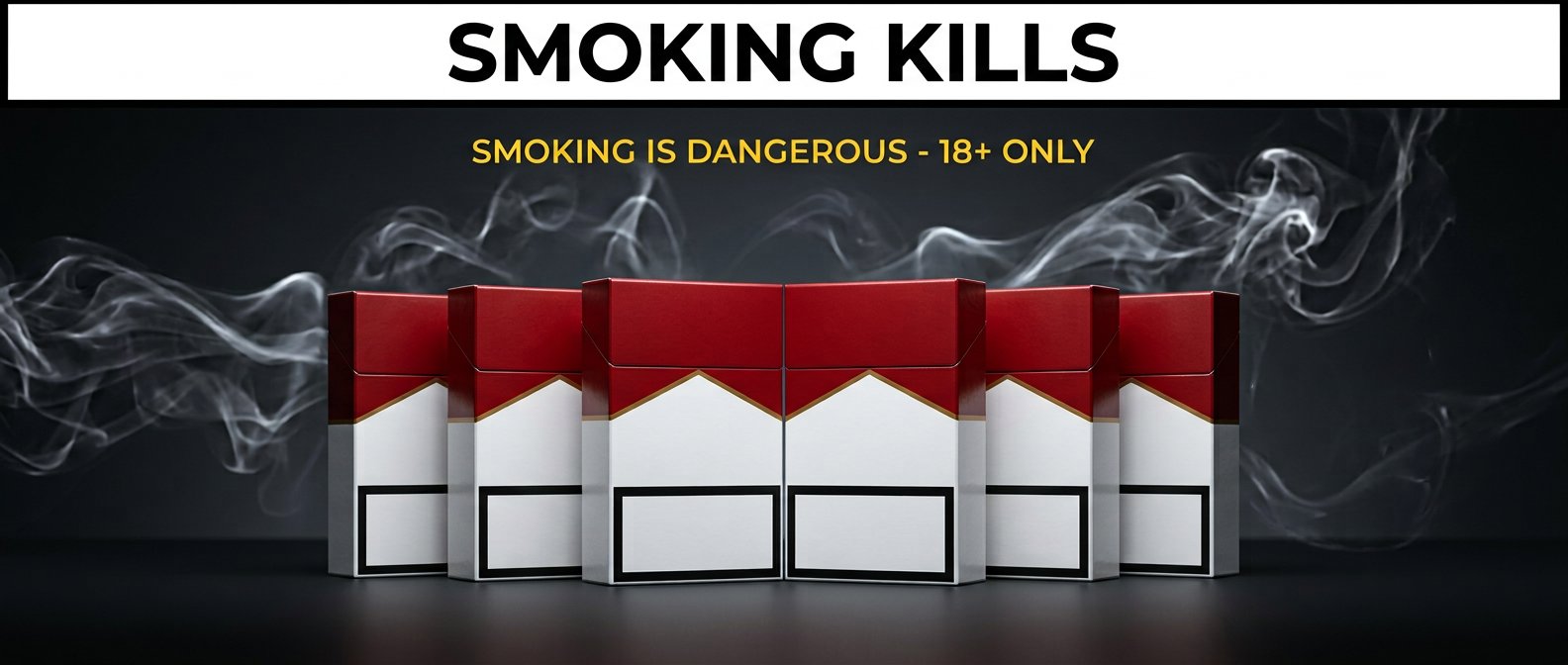
    smoking mental health โ€“ smoking kills health warning

    The myth: “Smoking relieves my stress”

    Almost every smoker believes cigarettes calm their nerves. The truth is the opposite: nicotine withdrawal creates stress, and smoking only briefly relieves the withdrawal it caused. Within 20โ€“30 minutes of each cigarette, nicotine levels fall and withdrawal begins โ€” irritability, anxiety, poor concentration and cravings. The next cigarette relieves those symptoms, which feels like stress relief but is really just feeding addiction.

    The science: smoking increases anxiety and depression

    • Smokers report higher everyday stress and anxiety than non-smokers โ€” their baseline stress rises as addiction deepens.
    • Smoking roughly doubles the risk of depression over time, and people with depression are more likely to smoke โ€” a vicious cycle.
    • Nicotine disrupts dopamine and serotonin pathways, destabilising mood regulation.
    • Smoking is linked to higher risks of anxiety disorders, panic attacks and suicide.

    Smoking, Mental Health & Recovery: Quitting Improves Both

    Large studies show that people who quit smoking experience reduced anxiety, depression and stress within weeks to months โ€” with effect sizes similar to antidepressant medication. Better sleep, steadier mood and freedom from constant cravings transform daily life. See the full quit-smoking recovery timeline.

    Why quitting feels hard at first

    Withdrawal temporarily mimics anxiety: restlessness, low mood, irritability and poor sleep for 2โ€“4 weeks. This is your brain recalibrating โ€” not proof you “need” cigarettes. Nicotine replacement therapy (NRT), exercise and support smooth the transition. Our step-by-step quit guide covers the “4 Ds” technique: Delay, Deep breathe, Drink water, Do something else.

    Healthier ways to manage stress

    • Exercise: even a 10-minute walk cuts cravings and lifts mood.
    • Breathing and mindfulness: slow breathing directly calms the nervous system โ€” ironically, the “calm” smokers feel is partly just the deep breathing of smoking.
    • Sleep and routine: withdrawal disrupts sleep temporarily; protect a regular bedtime.
    • Connection: talk to Quitline (13 78 48), your GP, friends or a counsellor instead of lighting up.
    • Professional help: if anxiety or depression persist, see your GP or call Beyond Blue (1300 22 4636) or Lifeline (13 11 14).

    You don’t need cigarettes to cope โ€” you need freedom from them

    Ex-smokers consistently say quitting was one of the best things they ever did for their mental health. Start today with How to Quit Smoking in Australia and our Quit Smoking Support page โ€” and use the money you save (see the true cost of smoking) for things that genuinely improve your life.

    Related reading

    Smoking and mental health improve together when you quit. Get free quit support or read our smoking FAQs.

    Remember: understanding smoking and mental health is the first step to protecting yourself and the people you love.

    Smoking Mental Health โ€“ Key Takeaway

    Smoking mental health research is clear: cigarettes cause the stress they seem to relieve, and quitting cuts anxiety and depression as effectively as medication for many people. Trust the smoking mental health science โ€” call Quitline 13 78 48, talk to your GP, and free your mind from nicotine. Every smoking mental health study points the same way: quit, and your mind heals too.

    Smoking kills. Strictly 18+. For free help to quit, call Quitline on 13 78 48 or visit quit.org.au. In crisis, call Lifeline 13 11 14.

  • The True Cost of Smoking in Australia: Health and Money

    The True Cost of Smoking in Australia: Health and Money

    โš ๏ธ SMOKING KILLS โ€” and it burns your money too. The cost of smoking Australia-wide starts with the world’s highest cigarette prices, which means quitting delivers a life-changing pay rise. Free help to quit: Quitline 13 78 48 or quit.org.au.

    cost of smoking australia โ€“ smoking kills health warning

    What smoking costs your wallet

    With a pack of 25 cigarettes commonly costing $40โ€“$55+ in Australia, the numbers are staggering:

    • Half a pack a day: roughly $7,500โ€“$10,000 per year
    • A pack a day: roughly $15,000โ€“$20,000 per year
    • Over 10 years: $150,000โ€“$200,000 โ€” a house deposit, gone in smoke
    • Over 30 years: potentially half a million dollars, before counting interest

    Had that money been invested instead, a pack-a-day smoker could be hundreds of thousands of dollars wealthier in retirement. Try the savings calculator on quit.org.au โ€” the number shocks most people.

    Hidden financial costs

    • Higher insurance premiums โ€” smokers pay far more for life, health and income protection insurance.
    • Medical bills โ€” from GP visits and medications to hospital stays for smoking-caused diseases.
    • Lost income โ€” more sick days and earlier forced retirement through illness.
    • Cleaning and damage โ€” smoke-damaged clothes, cars, homes and deposits lost on rentals.
    • Higher vaping costs for dual users โ€” many smokers who vape end up paying for both (see Vaping vs Smoking).

    What smoking costs your health

    No amount of money buys back health: around 10 years of life expectancy lost on average, decades of poorer breathing and energy, and high risks of cancer, heart disease, stroke and emphysema โ€” detailed in Smoking Kills: The Real Health Cost and How Smoking Damages Your Lungs, Heart and Brain.

    What quitting pays you back

    • Day 1: $40โ€“$55+ saved โ€” enough for a family dinner out.
    • Month 1: $1,200โ€“$1,700 โ€” a weekend away.
    • Year 1: $15,000โ€“$20,000 โ€” a car, a holiday, or serious debt reduction.
    • Plus: better health within hours (see the quit timeline), better skin, teeth and fitness, and a smoke-free home for your kids (see secondhand smoke).

    Tip: set up an automatic transfer of your old “cigarette money” into a separate savings account on quit day. Watching it grow is powerful motivation.

    Cost of Smoking Australia: Ready to Save Both?

    Follow How to Quit Smoking in Australia: A Step-by-Step Guide and visit our Quit Smoking Support page. Every smoke-free day pays you twice โ€” in health and in dollars.

    Related reading

    The cost of smoking Australia-wide is measured in dollars and years of life. Start saving both with free quit support and smoking FAQs.

    Remember: understanding cost of smoking australia is the first step to protecting yourself and the people you love.

    Cost of Smoking โ€“ Key Takeaway

    The cost of smoking is measured in dollars and years of life: over $15,000 a year and a decade of life expectancy for pack-a-day smokers. Redirect the cost of smoking into savings from your quit date โ€” set up an auto-transfer, watch it grow, and call Quitline 13 78 48 to make it permanent.

    Turn the cost of smoking into the savings of quitting: open a separate account, auto-transfer your old cigarette money weekly, and watch freedom grow. Then call Quitline 13 78 48 and make this the year you quit for good.

    Start saving today: your health and wallet win together.

    Smoking kills. Strictly 18+. For free help to quit, call Quitline on 13 78 48 or visit quit.org.au.

  • Smoking During Pregnancy: Risks Every Parent Must Know

    Smoking During Pregnancy: Risks Every Parent Must Know

    โš ๏ธ SMOKING KILLS โ€” and smoking during pregnancy endangers two lives at once. It is never too late to quit: quitting at any stage of pregnancy benefits your baby. Free, non-judgemental help: Quitline 13 78 48 or quit.org.au.

    smoking during pregnancy โ€“ smoking kills health warning

    How smoking harms an unborn baby

    When a pregnant woman smokes, nicotine, carbon monoxide and thousands of chemicals cross the placenta. Carbon monoxide literally starves the baby of oxygen, while nicotine constricts the blood vessels of the placenta, reducing the flow of nutrients.

    The risks of smoking during pregnancy

    • Miscarriage and stillbirth: significantly higher risk.
    • Premature birth: smoking roughly doubles the chance of early delivery, with all its complications.
    • Low birth weight: babies of smokers weigh on average 200g less, raising risks of illness and developmental problems.
    • Placental problems: including placenta praevia and placental abruption, both dangerous emergencies.
    • Birth defects: higher risks of cleft lip and palate, heart defects and other abnormalities.
    • SIDS: babies exposed to smoke during pregnancy or after birth face a higher risk of Sudden Infant Death Syndrome.

    Risks continue after birth

    Babies born to smokers are more likely to suffer colic, respiratory infections, asthma and ear infections โ€” and children growing up with secondhand smoke face ongoing harm. Breast milk can also carry nicotine, so quitting helps breastfeeding too.

    What about partners and family?

    Partners who smoke around a pregnant woman expose her and the baby to secondhand smoke, increasing the same risks. The best gift a partner can give is to quit together โ€” see How to Quit Smoking in Australia. Make the home and car completely smoke-free (read how to protect your family).

    Smoking During Pregnancy: Never Too Late to Quit

    • Quitting before pregnancy is ideal โ€” risks fall to near those of non-smokers.
    • Quitting in the first trimester dramatically reduces risks of low birth weight and premature birth.
    • Quitting later in pregnancy still helps โ€” babies gain weight and oxygen supply improves immediately.
    • Cutting down helps, but quitting completely is far better โ€” there is no safe number of cigarettes in pregnancy.

    Talk to your GP, midwife or obstetrician, who can discuss safe options including behavioural support and, where appropriate, NRT. Read how quickly the body recovers after quitting.

    Free support for pregnant women

    • Quitline 13 78 48 โ€” free counselling, including for pregnant women
    • quit.org.au โ€” specific resources for pregnancy
    • Your GP, midwife or Aboriginal health service โ€” personalised plans

    Also see our Quit Smoking Support page and FAQs.

    Related reading

    Smoking during pregnancy is dangerous, but quitting at any stage helps your baby. See free quit support and smoking FAQs.

    Remember: understanding smoking during pregnancy is the first step to protecting yourself and the people you love.

    Smoking During Pregnancy โ€“ Key Takeaway

    Smoking during pregnancy endangers two lives โ€” but quitting at any stage helps your baby immediately. Talk to your GP or midwife today, call Quitline 13 78 48 for free support, and give your child the healthiest possible start.

    Every cigarette you skip matters when smoking during pregnancy: oxygen and nutrients reach your baby within hours of quitting. You can do this โ€” free help works. Ask your midwife about free support programs, bring your partner on board, and call Quitline 13 78 48 today.

    Your baby is worth the quit โ€” start today.

    Smoking kills. Strictly 18+. For free help to quit, call Quitline on 13 78 48 or visit quit.org.au.

  • What Happens to Your Body When You Quit Smoking (Timeline)

    What Happens to Your Body When You Quit Smoking (Timeline)

    โš ๏ธ SMOKING KILLS โ€” but your body starts healing within minutes of quitting. Use this quitting timeline as motivation, and get free support from Quitline 13 78 48 or quit.org.au.

    quitting timeline โ€“ smoking kills health warning

    Within 20 minutes

    Your heart rate and blood pressure drop back toward normal. Circulation in your hands and feet improves as nicotine’s constricting effect wears off.

    Within 8โ€“12 hours

    Carbon monoxide levels in your blood fall to normal and oxygen levels rise. That means your heart, brain and muscles finally get the oxygen they have been starved of โ€” see how smoking damages your lungs, heart and brain.

    Within 48 hours

    Nicotine has mostly left your body. Your senses of taste and smell begin to sharpen โ€” food tastes better because smoke is no longer dulling your taste buds and irritating your nose.

    Within 2โ€“3 weeks

    Circulation improves and lung function increases. Walking and exercise get easier. Withdrawal symptoms peak and start fading โ€” the worst is behind you. Our step-by-step quit guide helps you through this phase.

    Within 1โ€“9 months

    Cilia (the tiny lung-cleaning hairs) regrow. Coughing, congestion and shortness of breath decrease. Your lungs are better at fighting infection, so colds and chest infections become less frequent.

    Within 1 year

    Your risk of coronary heart disease is roughly half that of someone who still smokes. Your wallet is healthier too โ€” see the true cost of smoking in Australia.

    Within 5 years

    Your risk of cancers of the mouth, throat, oesophagus and bladder is cut in half, and your stroke risk falls to that of a non-smoker.

    Within 10 years

    Your risk of dying from lung cancer is about half that of a continuing smoker, and risks of larynx and pancreatic cancer also fall sharply. Read the full picture in 10 Serious Diseases Caused by Smoking.

    Within 15 years

    Your risk of coronary heart disease is close to that of someone who never smoked. Your body has achieved a remarkable recovery โ€” at any age you quit.

    Quitting Timeline: It Is Never Too Late

    Quitting at 30 gains back nearly a decade of life expectancy; quitting at 60 still adds around 3 years โ€” plus better breathing, energy and quality of life immediately. Even cutting down while preparing to quit helps, but quitting completely is the goal.

    Your family benefits too

    The moment your home becomes smoke-free, your children breathe easier: fewer asthma attacks, infections and ear problems. Read how to protect your family from secondhand smoke.

    Related reading

    This quitting timeline proves your body wants to heal โ€” give it the chance. Get free quit support or browse smoking FAQs.

    Remember: understanding quitting timeline is the first step to protecting yourself and the people you love.

    Quitting Timeline โ€“ Key Takeaway

    This quitting timeline proves recovery starts in minutes and compounds for years: better breathing in weeks, half the heart risk in a year, and thousands of dollars saved. Print this quitting timeline, stick it on your fridge, and call Quitline 13 78 48 to begin your own recovery story today.

    Celebrate every milestone on your quitting timeline: one day, one week, one month smoke-free. Each milestone means more healing, more savings and more freedom โ€” and free support is always one call away.

    Smoking kills. Strictly 18+. For free help to quit, call Quitline on 13 78 48 or visit quit.org.au.

  • How to Quit Smoking in Australia: A Step-by-Step Guide

    How to Quit Smoking in Australia: A Step-by-Step Guide

    โš ๏ธ SMOKING KILLS โ€” but quitting saves lives, including yours. Most smokers need several attempts before quitting for good, and every attempt teaches you something. This how to quit smoking Australia guide gives you free help: Quitline 13 78 48 or quit.org.au.

    how to quit smoking australia โ€“ smoking kills health warning

    Step 1: Set a quit date (within the next 2โ€“4 weeks)

    Pick a specific date and commit to it. Tell family and friends โ€” public commitment makes you more likely to follow through. Mark it on your calendar and start preparing now.

    Step 2: Call Quitline (13 78 48) โ€” it doubles your chances

    Quitline’s trained counsellors provide a free, confidential quit plan, callback support and practical strategies. Combining counselling with stop-smoking medication is the most effective approach known. You can also use the Quitline website, the My QuitBuddy app and online communities.

    Step 3: See your GP about quit medications

    Your doctor can prescribe or recommend:

    • Nicotine replacement therapy (NRT) โ€” patches, gum, lozenges, inhalator or mouth spray. Combining a patch with a faster-acting form works best. Some NRT is subsidised on the PBS.
    • Prescription medications โ€” such as varenicline or cytisine, which reduce cravings and the pleasure of smoking. Ask your GP what suits you.

    Step 4: Know your triggers and plan for them

    Common triggers include coffee, alcohol, stress, driving and social situations. For each trigger, write down an alternative: a walk, deep breathing, sugar-free gum, or the “4 Ds” โ€” Delay, Deep breathe, Drink water, Do something else. Cravings peak within minutes and pass whether you smoke or not. For the stress trap specifically, read Smoking and Mental Health: Breaking the Stress Myth.

    Step 5: Make your environment smoke-free

    On quit day: throw out all cigarettes, lighters and ashtrays. Clean your house, car and clothes to remove smoke smell. Ask household members to smoke outside โ€” and protect kids from secondhand smoke.

    Step 6: Handle withdrawal (it is temporary)

    Expect irritability, restlessness, stronger appetite and intense cravings for 2โ€“4 weeks. This is your body healing โ€” nicotine leaves your system within days. NRT, exercise, sleep and support calls make it manageable. Track your progress with the quit-smoking recovery timeline to stay motivated.

    Step 7: If you slip, don’t give up

    A slip is not a failure โ€” it is data. Analyse what triggered it, adjust your plan, and recommit immediately. Most ex-smokers tried multiple times. Every smoke-free day has already improved your health and saved you money โ€” calculate how much in The True Cost of Smoking in Australia.

    How to Quit Smoking Australia: Free Resources

    • Quitline: 13 78 48 โ€” free counselling and callbacks
    • quit.org.au โ€” quit plans, cost calculators and chat
    • My QuitBuddy app โ€” tracking and motivation
    • Your GP or pharmacist โ€” medications and advice
    • Aboriginal Quitline: 13 78 48 (ask for the Aboriginal counsellor)

    See our full Quit Smoking Support page for more links and our FAQs for common questions.

    Related reading

    Learning how to quit smoking Australia-wide starts with one call: Quitline 13 78 48. Also see free quit support and smoking FAQs.

    Remember: understanding how to quit smoking australia is the first step to protecting yourself and the people you love.

    Millions have learned how to quit smoking with free support โ€” and with patience, you will join them.

    Start your journey on how to quit smoking today: set a date, call Quitline 13 78 48, and see your GP this week.

    Smoking kills. Strictly 18+. For free help to quit, call Quitline on 13 78 48 or visit quit.org.au.

  • Vaping vs Smoking: Is Vaping Really Safer?

    Vaping vs Smoking: Is Vaping Really Safer?

    โš ๏ธ SMOKING KILLS โ€” and vaping is not risk-free either. In Australia, nicotine vapes are prescription-only medicines, not consumer products. Our vaping vs smoking comparison below is honest and evidence-based. For free help to quit smoking or vaping, call Quitline 13 78 48 or visit quit.org.au.

    vaping vs smoking โ€“ smoking kills health warning

    The short answer

    Combustible cigarettes remain far more deadly than vapes because of tar, carbon monoxide and the thousands of chemicals in smoke. But “less harmful than smoking” is not the same as safe โ€” vaping carries its own serious risks, and the long-term effects are still unknown.

    What is in vape aerosol?

    Vape aerosol is not “harmless water vapour”. It typically contains:

    • Nicotine โ€” highly addictive, harmful to adolescent brain development, raises heart rate and blood pressure.
    • Propylene glycol and glycerol โ€” safe to eat, but heating and inhaling them creates new chemicals including formaldehyde.
    • Flavouring chemicals โ€” such as diacetyl, linked to serious lung disease (“popcorn lung”) when inhaled.
    • Heavy metals โ€” including nickel, tin and lead from heating coils.
    • Ultrafine particles โ€” inhaled deep into the lungs.

    Known health risks of vaping

    • Nicotine addiction โ€” many vapes contain very high nicotine levels; dependence can develop in weeks.
    • Lung injury โ€” vaping-associated lung injuries (EVALI) have hospitalised thousands worldwide.
    • Heart and circulation โ€” nicotine constricts blood vessels and stresses the cardiovascular system.
    • Poisoning risk โ€” e-liquids can fatally poison small children if swallowed; always store securely.
    • Gateway effect โ€” young people who vape are significantly more likely to take up smoking.

    Can vaping help you quit smoking?

    Some smokers have quit using vapes, but Australian health authorities recommend proven methods first: Quitline counselling, your GP, and nicotine replacement therapy (patches, gum, lozenges), which double or triple quit success. Since 2024, Australia has heavily restricted vapes: disposable vapes are banned, flavours are limited, and nicotine vapes require a prescription and are sold only through pharmacies.

    What about the people around you?

    Secondhand vape aerosol exposes bystanders โ€” including children โ€” to nicotine and fine particles. Just like secondhand smoke, it should be kept away from kids, pregnant women and non-users.

    Vaping vs Smoking: The Bottom Line

    • If you don’t smoke โ€” don’t vape. It is addictive and harmful.
    • If you smoke โ€” the goal should be quitting nicotine entirely. Talk to your GP or Quitline about proven options.
    • If you vape and want to stop โ€” Quitline now supports vapers too: 13 78 48.

    Read next: What Happens to Your Body When You Quit and Smoking and Mental Health: Breaking the Stress Myth.

    Related reading

    Vaping vs smoking is not a close contest for safety โ€” but quitting nicotine entirely wins. Get free quit support or read our smoking FAQs.

    Remember: understanding vaping vs smoking is the first step to protecting yourself and the people you love.

    Vaping vs Smoking โ€“ Key Takeaway

    Vaping vs smoking comes down to this: neither is safe, and quitting nicotine entirely is the healthiest choice. Talk to your GP or Quitline 13 78 48 about proven methods instead of switching addictions.

    Still weighing vaping vs smoking? Talk to your GP for personalised advice, and remember Quitline 13 78 48 now supports vapers too โ€” free, confidential and proven to work.

    Smoking kills. Strictly 18+. For free help to quit smoking or vaping, call Quitline on 13 78 48 or visit quit.org.au.

  • Secondhand Smoke: How to Protect Your Family and Kids

    Secondhand Smoke: How to Protect Your Family and Kids

    โš ๏ธ SMOKING KILLS โ€” and secondhand smoke kills non-smokers too. There is no safe level of exposure to secondhand smoke. To protect your family, the best step is to quit: call Quitline 13 78 48 or visit quit.org.au.

    secondhand smoke โ€“ smoking kills health warning

    What is secondhand smoke?

    Secondhand (passive) smoke is the combination of smoke from the burning end of a cigarette plus smoke exhaled by the smoker. It contains the same 7,000+ chemicals as inhaled smoke, including at least 69 carcinogens โ€” and non-smokers breathing it face serious health risks.

    How secondhand smoke harms adults

    • Lung cancer: living with a smoker raises a non-smoker’s lung cancer risk by around 20โ€“30%.
    • Heart disease and stroke: regular exposure damages blood vessels and increases clotting.
    • Breathing problems: aggravated asthma, bronchitis and eye, nose and throat irritation.

    How secondhand smoke harms children

    Children are the most vulnerable victims because their lungs and immune systems are still developing and they breathe faster than adults:

    • Sudden Infant Death Syndrome (SIDS): babies exposed to smoke face a higher risk.
    • Asthma: more frequent and more severe asthma attacks; smoke can trigger asthma in previously healthy children.
    • Chest infections: more bronchitis, pneumonia and middle-ear infections (glue ear).
    • Slower lung growth: lasting effects on lung development.

    Pregnant women should also avoid smoke entirely โ€” see Smoking During Pregnancy: Risks Every Parent Must Know.

    Myths that put families at risk

    • “Smoking in another room is fine.” False โ€” smoke drifts through doors and ventilation systems.
    • “Opening a window clears it.” False โ€” most smoke remains, and opening a car window barely helps.
    • “Air purifiers remove it.” False โ€” they cannot remove all gases and fine particles.
    • “Thirdhand smoke isn’t real.” False โ€” toxic residue lingers on walls, furniture, clothes and car seats for months.

    In Australia, smoking in cars with children is illegal in every state and territory โ€” with good reason.

    5 practical steps to protect your family

    1. Make your home and car 100% smoke-free โ€” no exceptions, even when kids aren’t present.
    2. Smoke well away from doors and windows if you must smoke, and change clothes afterwards.
    3. Never smoke around pregnant women, babies or children โ€” including outdoors near prams.
    4. Ask visitors to smoke outside, away from the house.
    5. Quit smoking โ€” the only way to fully remove the risk. Start with How to Quit Smoking in Australia.

    Secondhand Smoke: The Best Protection Is Quitting

    Children of parents who quit have fewer infections, fewer asthma attacks and are themselves less likely to take up smoking. Our Quit Smoking Support page lists free Australian services, and the quit timeline shows how quickly everyone’s health improves.

    Related reading

    Secondhand smoke harms everyone it touches โ€” quitting protects your whole family. See free quit support and smoking FAQs.

    Remember: understanding secondhand smoke is the first step to protecting yourself and the people you love.

    Secondhand Smoke โ€“ Key Takeaway

    Secondhand smoke has no safe level: keep homes and cars 100% smoke-free, never smoke near children or pregnant women, and remember quitting is the only full fix. Call Quitline 13 78 48 for free family-centred help today.

    Protect the people you love from secondhand smoke starting today: declare your home and car smoke-free zones, ask visitors to smoke outside, and call Quitline 13 78 48 for free help quitting together.

    Smoking kills. Strictly 18+. For free help to quit, call Quitline on 13 78 48 or visit quit.org.au.

  • How Smoking Damages Your Lungs, Heart and Brain

    How Smoking Damages Your Lungs, Heart and Brain

    โš ๏ธ SMOKING KILLS. Every cigarette shows how smoking damages the body: thousands of chemicals flood your lungs, heart and brain. For free, confidential help to quit, call Quitline 13 78 48 or visit quit.org.au.

    smoking damages โ€“ smoking kills health warning

    Your lungs: the first point of attack

    Hot smoke, tar and gases scorch the airways with every puff. Tiny hair-like cilia that sweep out mucus and germs become paralysed and destroyed, which is why smokers develop the classic “smoker’s cough” and constant chest infections.

    • Chronic bronchitis: permanently inflamed, mucus-filled airways.
    • Emphysema: destruction of the air sacs (alveoli) where oxygen enters the blood โ€” damage that cannot be reversed.
    • Lung cancer: tar and carcinogens mutate lung cells; smoking causes about 90% of lung cancers.

    Lung function declines with every year of smoking. The earlier you quit, the more lung capacity you preserve โ€” see the quit-smoking recovery timeline.

    Your heart: working harder with less oxygen

    Nicotine spikes your heart rate and blood pressure within minutes, while carbon monoxide from smoke steals oxygen from your blood by binding to haemoglobin. Meanwhile, chemicals damage artery walls, cholesterol plaques build up, and blood becomes stickier and more likely to clot.

    • Risk of heart attack is 2โ€“4 times higher in smokers.
    • Smoking causes about 1 in 4 cardiovascular deaths.
    • Even a few cigarettes a day sharply raise heart risk โ€” there is no safe level.

    The heart recovers remarkably fast: within a year of quitting, excess heart disease risk drops by about half. Read the full list in 10 Serious Diseases Caused by Smoking.

    Your brain: stroke, addiction and decline

    Damaged, narrowed arteries plus sticky blood make smokers around twice as likely to suffer a stroke โ€” a blocked or burst blood vessel in the brain that can kill or cause permanent disability. Smoking also accelerates cognitive decline and raises the risk of vascular dementia.

    Meanwhile nicotine hijacks the brain’s reward system. It triggers dopamine release, then withdrawal โ€” the cycle that keeps smokers smoking. Many smokers believe cigarettes relieve stress, but nicotine withdrawal creates the anxiety that the next cigarette briefly relieves. We debunk this fully in Smoking and Mental Health: Breaking the Stress Myth.

    Secondhand smoke harms all three organs too

    Non-smokers breathing secondhand smoke face higher risks of lung cancer, heart disease and stroke โ€” and children are especially vulnerable. Read how to protect your family from secondhand smoke.

    Quitting Reverses How Smoking Damages Your Body

    Within 20 minutes your heart rate normalises; within weeks circulation and lung function improve; within years your stroke and heart risks approach those of a non-smoker. Start with How to Quit Smoking in Australia and our Quit Support page.

    Related reading

    Now you know how smoking damages your lungs, heart and brain โ€” and how quitting heals them. Get free quit support or browse our smoking FAQs.

    Remember: understanding smoking damages is the first step to protecting yourself and the people you love.

    Smoking Damages โ€“ Key Takeaway

    Smoking damages every organ it touches โ€” but quitting starts reversing that harm within hours. Share this guide, call Quitline 13 78 48, and give your lungs, heart and brain the recovery they deserve.

    Bookmark this guide on smoking damages and share it: every smoker deserves to know exactly what each cigarette does โ€” and how quickly quitting reverses it.

    Smoking kills. Strictly 18+. For free help to quit, call Quitline on 13 78 48 or visit quit.org.au.

  • 10 Serious Diseases Caused by Smoking You Need to Know

    10 Serious Diseases Caused by Smoking You Need to Know

    โš ๏ธ SMOKING KILLS. Smoking causes at least 16 types of cancer plus heart disease, stroke and lung disease โ€” the full list of diseases caused by smoking is below. Thinking about quitting? Call Quitline 13 78 48 or visit quit.org.au for free support.

    diseases caused by smoking โ€“ smoking kills health warning

    1. Lung cancer

    Smoking causes around 9 in 10 lung cancers. Lung cancer is Australia’s leading cause of cancer death, and smokers are 15โ€“30 times more likely to develop it than non-smokers. Learn more in Smoking Kills: The Real Health Cost of Every Cigarette.

    2. Chronic obstructive pulmonary disease (COPD)

    COPD โ€” including emphysema and chronic bronchitis โ€” progressively destroys the lungs’ air sacs and airways, leaving sufferers permanently breathless. There is no cure; quitting is the only way to slow it down.

    3. Coronary heart disease

    Smoking damages the lining of arteries, raises blood pressure, reduces oxygen in the blood and makes blood stickier โ€” a perfect recipe for heart attack. Smokers are 2โ€“4 times more likely to develop heart disease.

    4. Stroke

    Smoking roughly doubles the risk of stroke by damaging blood vessels and promoting clots. Strokes can cause paralysis, speech loss and death. See how smoking damages your lungs, heart and brain.

    5. Cancers of the mouth, throat and voice box

    Tobacco smoke directly bathes the mouth and throat in carcinogens. Smokers face far higher risks of cancers of the lips, tongue, mouth, throat (pharynx and larynx) and oesophagus โ€” especially when combined with alcohol.

    6. Bladder, kidney and pancreatic cancers

    Cancer-causing chemicals filtered by the kidneys concentrate in urine, raising bladder cancer risk. Smoking also roughly doubles the risk of pancreatic cancer, one of the deadliest cancers.

    7. Type 2 diabetes complications

    Smokers are 30โ€“40% more likely to develop type 2 diabetes, and smoking makes diabetes harder to control, increasing the risk of blindness, kidney failure, amputation and nerve damage.

    8. Peripheral artery disease

    Narrowed, hardened arteries in the legs cause pain, poor healing and, in severe cases, gangrene and amputation. Smoking is one of the strongest risk factors.

    9. Vision loss and blindness

    Smoking increases the risk of age-related macular degeneration (a leading cause of blindness), cataracts and optic nerve damage.

    10. Gum disease and tooth loss

    Smoking weakens the immune response in the gums, doubles the risk of gum disease and is a leading cause of tooth loss in adults โ€” on top of stained teeth and chronic bad breath.

    More Diseases Caused by Smoking You Should Know

    Smoking is also linked to rheumatoid arthritis, weakened bones and fractures, stomach ulcers, reduced fertility, erectile dysfunction and complications in pregnancy (see Smoking During Pregnancy). It also harms the people around you โ€” read about secondhand smoke.

    Quitting lowers every one of these risks

    Your body starts repairing itself within hours of your last cigarette. Our guides How to Quit Smoking in Australia and What Happens When You Quit (Timeline) show you exactly what to expect and how to get help.

    Related reading

    These diseases caused by smoking are largely preventable by quitting. See free quit support and our smoking FAQs for your next step.

    Remember: understanding diseases caused by smoking is the first step to protecting yourself and the people you love.

    Every one of these diseases caused by smoking is a reason to call Quitline 13 78 48 today.

    Smoking kills. Strictly 18+. For free help to quit, call Quitline on 13 78 48 or visit quit.org.au.

  • Smoking Kills: The Real Health Cost of Every Cigarette

    Smoking Kills: The Real Health Cost of Every Cigarette

    โš ๏ธ SMOKING KILLS. This is not a slogan โ€” it is a medical fact printed on every pack sold in Australia. If you smoke, the single best thing you can do for your health is to quit. Free, confidential support is available from Quitline (quit.org.au) or by calling 13 78 48.

    smoking kills โ€“ smoking kills health warning

    What is actually in cigarette smoke?

    Tobacco smoke contains more than 7,000 chemicals, including at least 69 known to cause cancer. These include nicotine (the addictive drug), tar, carbon monoxide, formaldehyde, benzene, arsenic and hydrogen cyanide. Every puff delivers these chemicals deep into your lungs and then into your bloodstream, where they travel to every organ in your body.

    Smoking damages almost every organ

    Most people know smoking causes lung cancer, but the damage goes much further:

    • Lungs: chronic bronchitis, emphysema (COPD) and lung cancer. Smoking is the cause of about 9 in 10 lung cancers.
    • Heart and blood vessels: smoking damages artery walls, raises blood pressure, increases clotting and dramatically raises the risk of heart attack and stroke.
    • Brain: smokers face a significantly higher risk of stroke and vascular dementia.
    • Mouth, throat and digestion: cancers of the mouth, throat, voice box, oesophagus, stomach, pancreas, liver, bowel and bladder are all linked to smoking.
    • Bones and skin: weaker bones, slower wound healing, premature wrinkles and yellowed teeth and nails.
    • Fertility and pregnancy: reduced fertility in men and women, and serious risks in pregnancy โ€” see our article on smoking during pregnancy.

    Smoking Kills: How Many Australians Die Each Year?

    Tobacco smoking remains the leading cause of preventable death in Australia, killing tens of thousands of Australians every year. On average, long-term smokers die around 10 years earlier than non-smokers, and up to two-thirds of long-term smokers will die from a smoking-related disease.

    “But I only smoke a little”

    There is no safe level of smoking. Even light or occasional smoking raises the risk of heart disease, stroke and cancer. Cutting down helps, but quitting completely is the only way to see major health gains โ€” and the benefits start within hours. Read what happens to your body when you quit.

    The good news: quitting works at any age

    No matter how long you have smoked, quitting improves your health:

    • Within 20 minutes, heart rate and blood pressure drop.
    • Within 12 hours, carbon monoxide levels in your blood return to normal.
    • Within 1 year, your risk of heart disease is roughly half that of a smoker.
    • Within 10 years, lung cancer risk falls to about half that of a continuing smoker.

    Our step-by-step guide How to Quit Smoking in Australia walks you through Quitline, your GP, nicotine replacement therapy (NRT) and proven strategies that double or triple your chance of success.

    We sell only to adults โ€” and we want you informed

    Cheap Smokes Australia is strictly 18+. We display mandatory health warnings on all products, we never sell to minors, and we publish these awareness articles because every adult deserves the full facts. Please also read our Quit Smoking Support page and our FAQs.

    Related reading

    Smoking kills โ€” but quitting now still adds years to your life. Start with free quit support, read our smoking FAQs, and share this article with anyone who smokes.

    Remember: understanding smoking kills is the first step to protecting yourself and the people you love.

    Smoking kills. Strictly 18+. For free help to quit, call Quitline on 13 78 48 or visit quit.org.au.